Tristan Beard

From an early age, Tristan has had a passion for architecture, being intrigued by the stories each place holds, leading to his strong focus on a narrative approach in design and how buildings manifest philosophy.
At just 14, Tristan had work experience with a multi-award-winning architectural practice, which led to him being asked back annually to carry out internships in his school holidays, working on live projects early on and refining a good understanding of the transition of concept into delivery. He has a particular interest in space and place at all scales and their impact on people, whether socially, psychologically and/or emotionally; this can be seen in his projects both carried out at UWE as part of his studies and several projects he has already led in design with project costs totalling over £5 million.
tristan.beard@outlook.com
- Architecture
- Degree Show
- Design
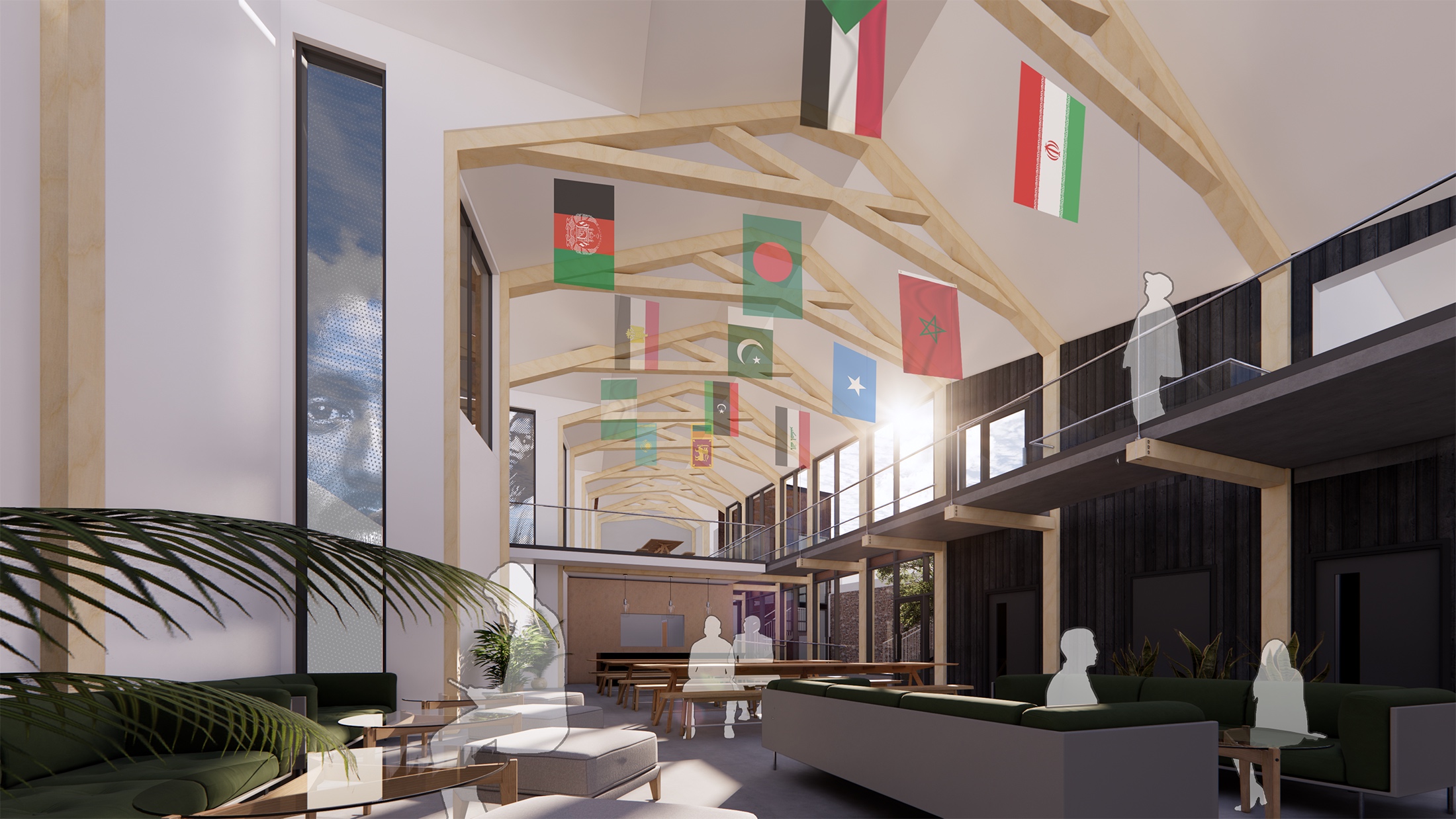
Stories of desperate people crossing the channel to reach the UK have dominated news and social media in recent years as a result of disruptions across the world creating displacement through the war, or persecution of race, religion, or nationality.
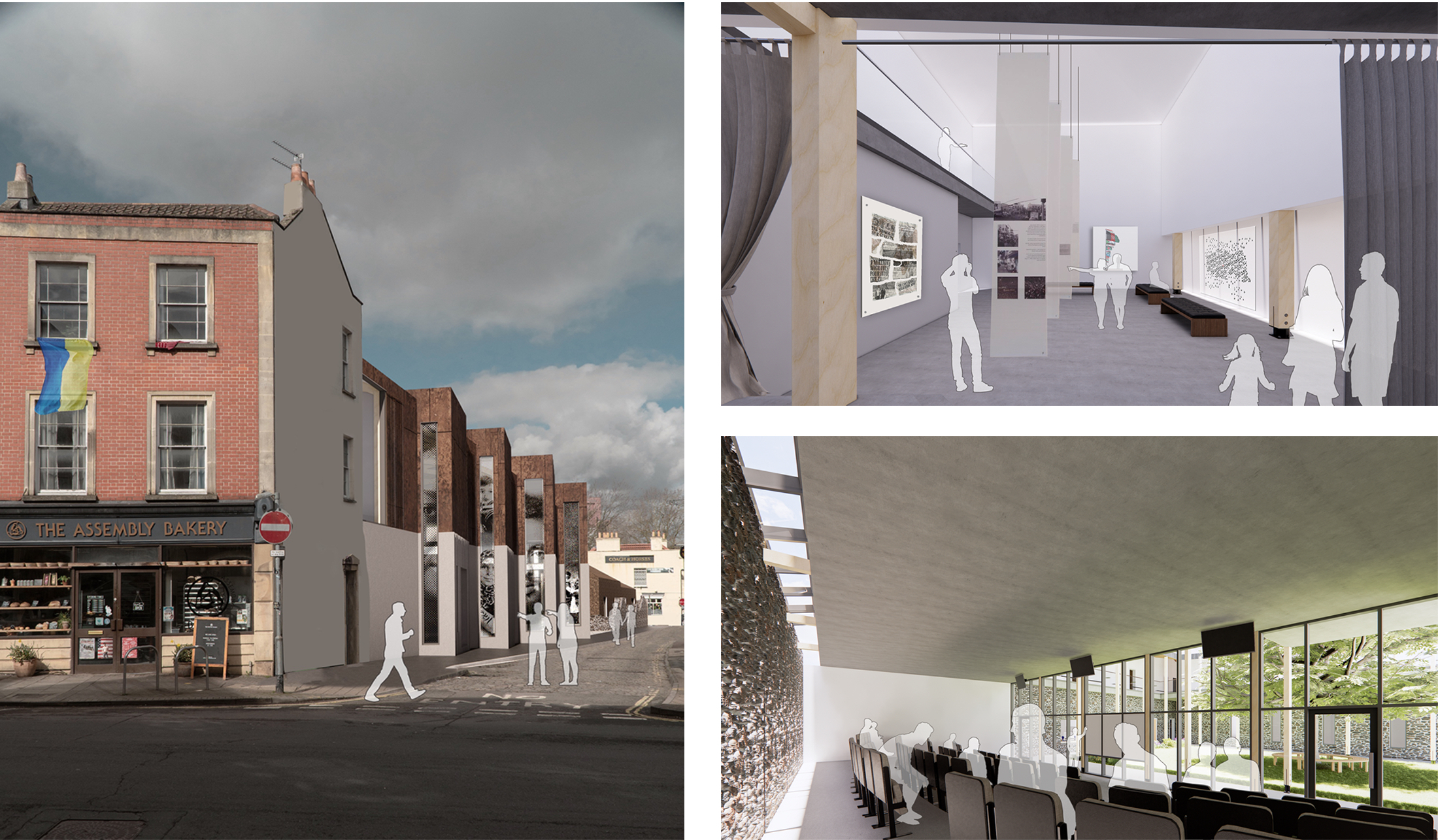
UHNCR reports that as of 2021 84 million of the worlds population have been forcibly displaced. This project aims to create an example of how architecture can be used to accommodate for providing healthy and successful support

During the development of the project, Russia invaded Ukraine causing the largest displacement in Europe since WWII. This led to a serious reconsideration on the design, purpose and operation of the building to allow to help those impacted.

Bringing refugees and UK citizens closer together through both assimilation and acculturation whilst also providing relief for hosts, helping overcome language barriers as well giving a second space for them and place to meet others and form community and network.
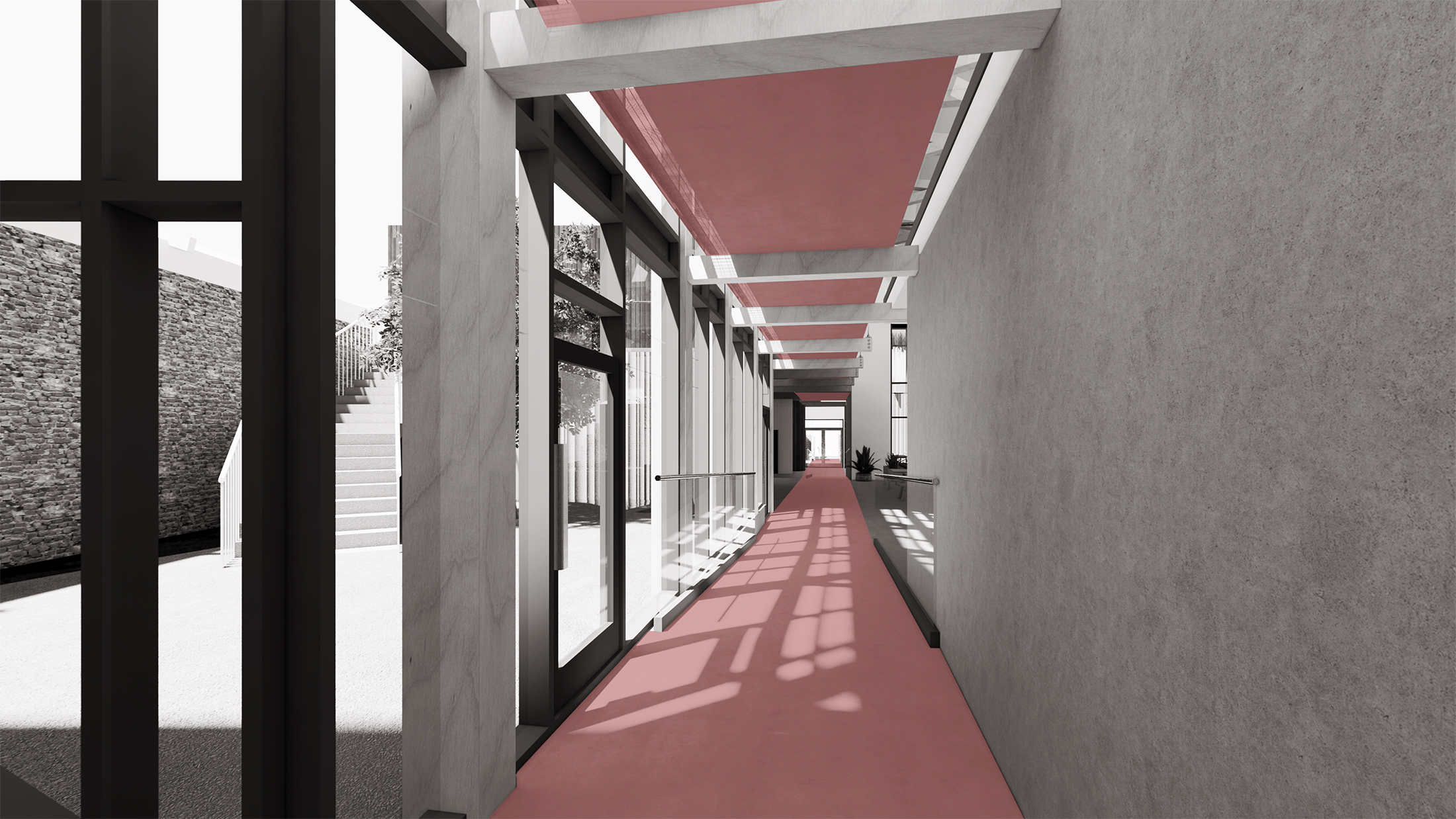
Through the brief and influence of operations and stakeholders, a number of key ‘essences’ were formed at the inception of the design process to integrate and inform considerations: 'Social Permeability', 'Inward Assimilation', 'Outward Acculturation', 'Biophilic Immersion', and 'Indirect Guided Progression'.
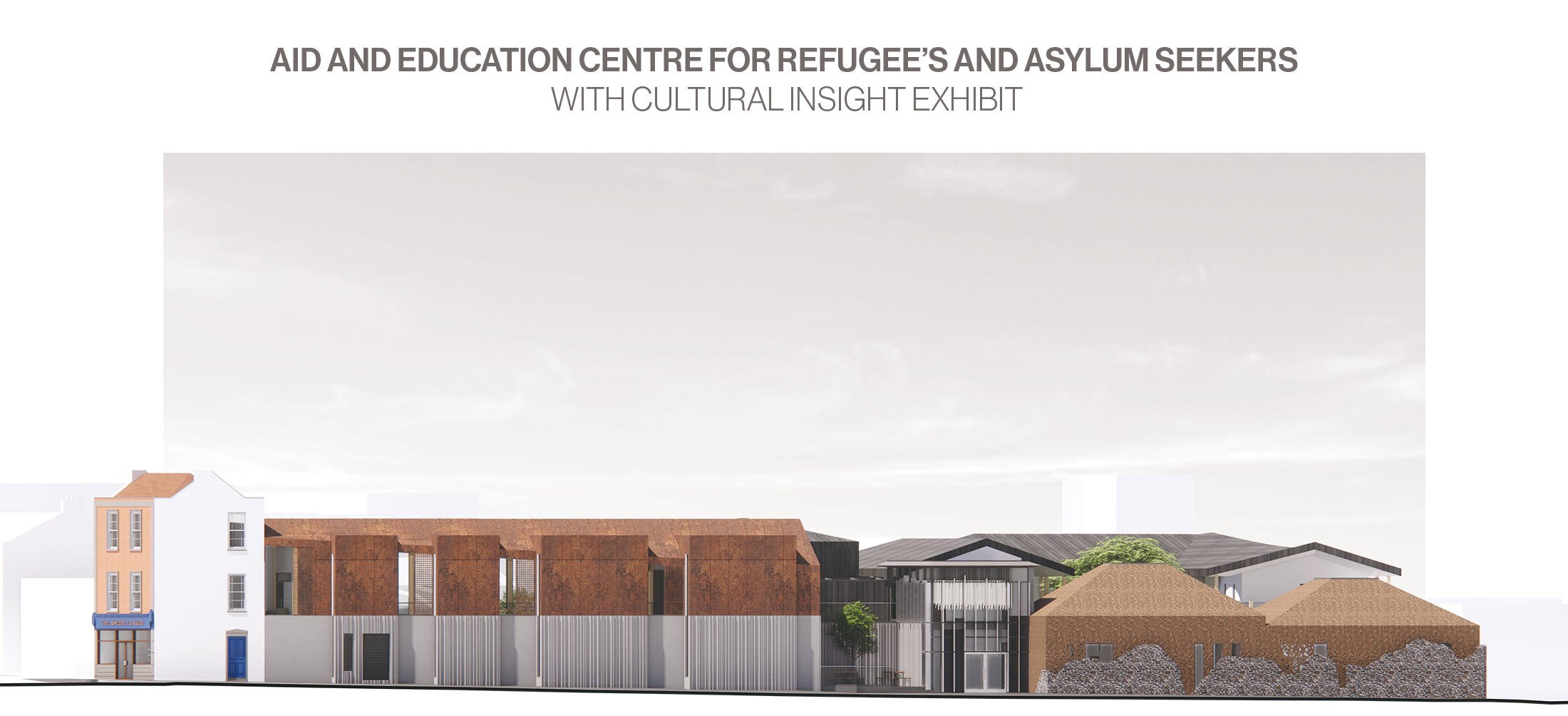
The Aid and Education Centre for Asylum Seeker and Refugees in Bristol is an exemplar in the methods of support this country and its government could provide for those forcibly displaced using Architecture to restore lives and remove worldly brokenness.
